
Septic Pumping & Maintenance
Septic tanks separate wastewater, allowing solids to settle at the bottom while grease and other floating materials collect at the top. Over time, these materials build up and need to be removed through routine septic tank pumping.
Anytime Plumber provides professional septic pumping services in Pensacola and surrounding areas. Our experienced technicians use specialized equipment to remove accumulated waste. Whether your system is due for routine maintenance or you’re noticing signs of a septic problem, contact our team to discuss the next step.
Most residential septic tanks should be pumped approximately every three to five years, but the right schedule depends on tank size, household size, water usage, and how quickly solids accumulate. Homes with more occupants or heavier water use may require more frequent service. If you’re unsure when your tank was last pumped, an inspection can help determine whether service is due. Keeping a record of previous pumping dates also makes it easier to stay ahead of maintenance.
Over time, sludge and scum build up inside the tank, reducing the space available to separate wastewater. If too much material accumulates, solids can reach the outlet and enter the drainfield, increasing the risk of blockages, backups, and costly repairs. Routine septic pumping removes this buildup and helps protect your system’s long-term performance. Along with regular inspections and responsible water use, it’s an important part of keeping your septic system in good condition. Anytime Plumber can help you determine the appropriate next steps for your system.
Septic system problems can show up in your drains, toilets, or yard. Recognizing the warning signs early can help you address potential issues before they become more serious.
Several fixtures draining slowly or unusual sounds from toilets and drains.
Persistent odors around plumbing fixtures, the septic tank, or the drainfield.
Standing water or unusually wet areas near the tank or drainfield.
Sewage coming back through toilets, tubs, or floor drains.
Important: These warning signs don't always mean septic pumping is the solution. If sewage is backing up, limit water use, avoid contact with wastewater, and contact a professional promptly.
Call 850-438-0001Septic pumping removes accumulated wastewater and solids from the tank. Here is what to expect when arranging service.
Let us know your service address, when the tank was last pumped if known, and whether you have noticed any unusual symptoms.
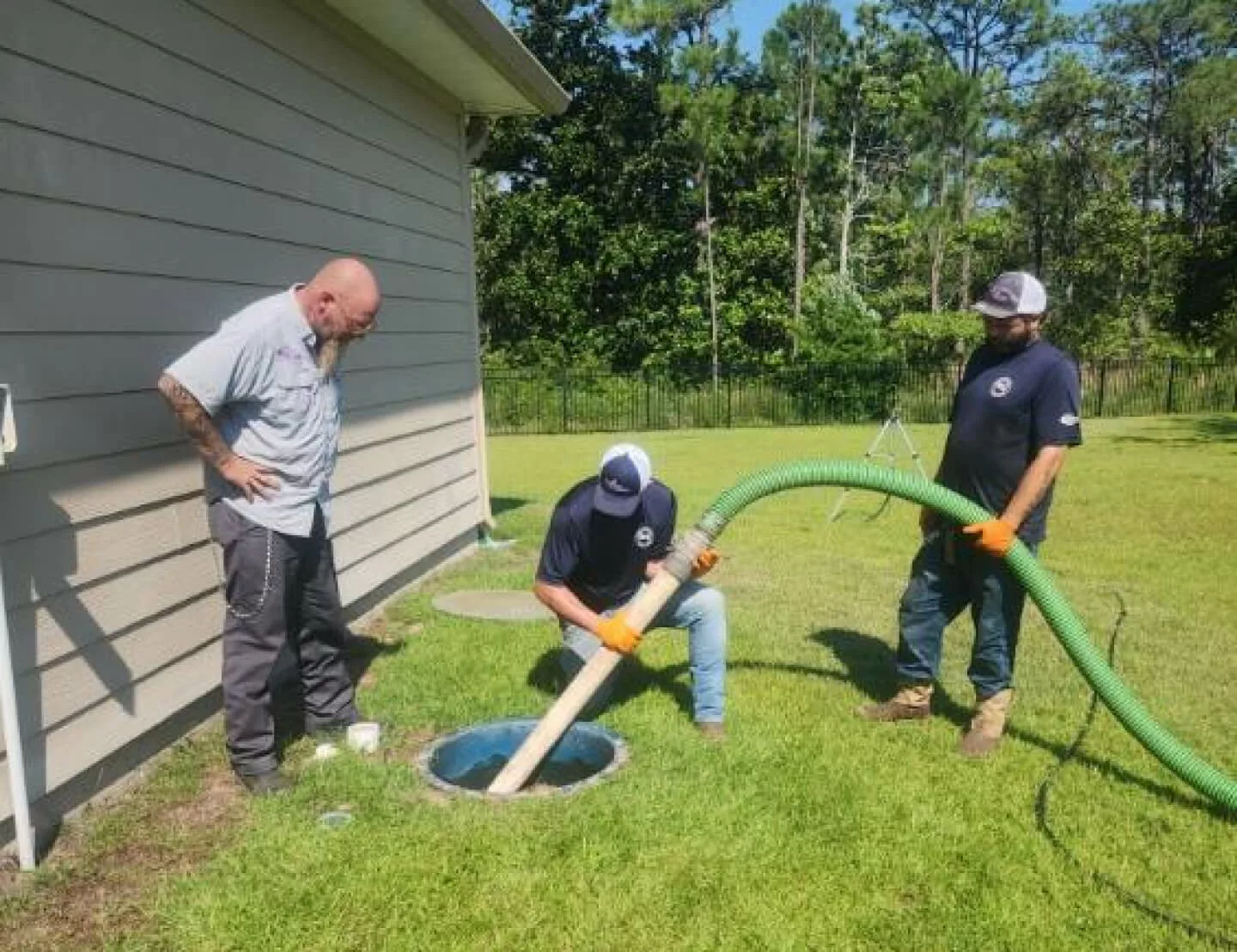
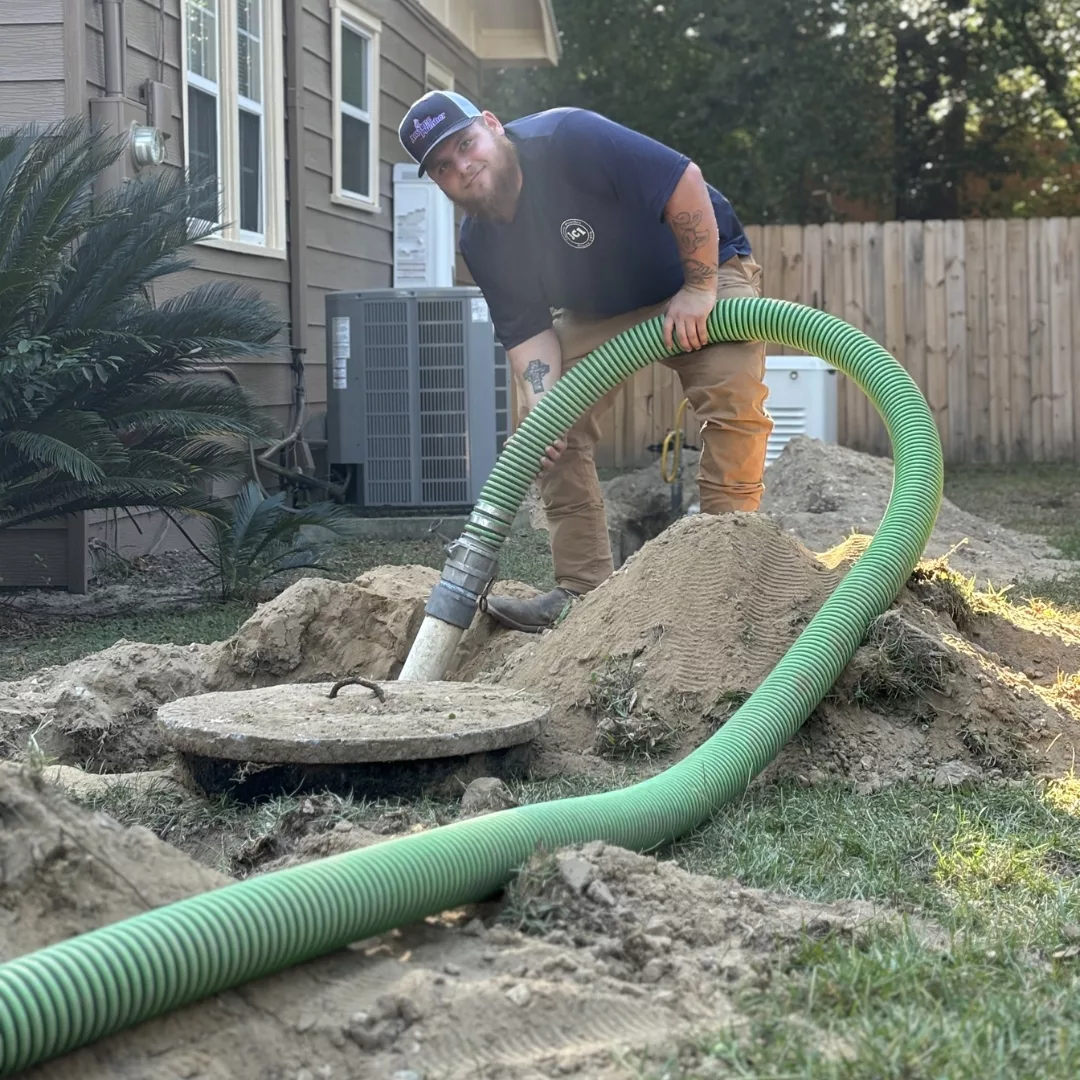
Once the tank opening is accessible, our team uses septic pumping equipment to remove accumulated wastewater, sludge, and scum.
If you are experiencing recurring backups, odors, or drainage problems, additional evaluation or repairs may be needed.
Tank access and service requirements vary by property. If you're unsure where your septic tank or access lid is located, let us know when scheduling.
Septic tank pumping costs vary based on tank size, ease of access, site conditions, and whether additional work is needed.
Every septic system is different. Call Anytime Plumber to discuss your property and ask about pricing and scheduling for your septic pumping service.
Call 850-438-0001 for PricingLarger tanks may hold more wastewater and solids, which can affect pumping time.
Buried or hard-to-reach access lids may require additional preparation.
Driveway access, terrain, and distance from the truck to the tank can affect setup.
Repairs or services beyond routine pumping may affect the overall cost.
Septic pumping removes accumulated waste from the tank, but it does not solve every septic system problem. Issues such as a blocked line, damaged tank, or failing drainfield may require further evaluation and repair.
If you are dealing with repeated backups, standing wastewater, persistent odors, or ongoing drainage problems, the issue may go beyond routine maintenance and should be professionally assessed.
Answers to common questions about preparing for septic pumping, what to expect, and caring for your septic system.
Before septic tank pumping, have your service address and any previous pumping dates ready. If you know where the septic tank or access lid is located, share that information. If you're unsure, let Anytime Plumber know when scheduling so access requirements can be discussed.
Septic tank size, access to the tank, and site conditions all affect how long pumping takes. Tanks with buried or difficult-to-reach lids may require additional preparation. When scheduling with Anytime Plumber, provide any information you have about your septic system so the team can discuss what to expect.
The terms are often used interchangeably. Septic tank pumping generally involves removing accumulated wastewater, sludge, and scum from the tank. However, the exact scope of cleaning and related services can vary. Ask what is included when scheduling your service.
Not necessarily. Pumping may help if accumulated waste is contributing to a backup, but blocked pipes, damaged components, or drainfield problems can cause similar symptoms. If sewage is backing up, limit water use, avoid contact with wastewater, and have the underlying problem assessed.
Use water efficiently, avoid pouring grease down drains, and flush only human waste and toilet paper. Keep wipes and other non-flushable products out of the system. Save your pumping and inspection records and follow an appropriate maintenance schedule to help reduce avoidable problems.
Pensacola and surrounding communities
Anytime Plumber provides septic pumping in the Pensacola area. Call to discuss your system, request service, and confirm availability for your address.